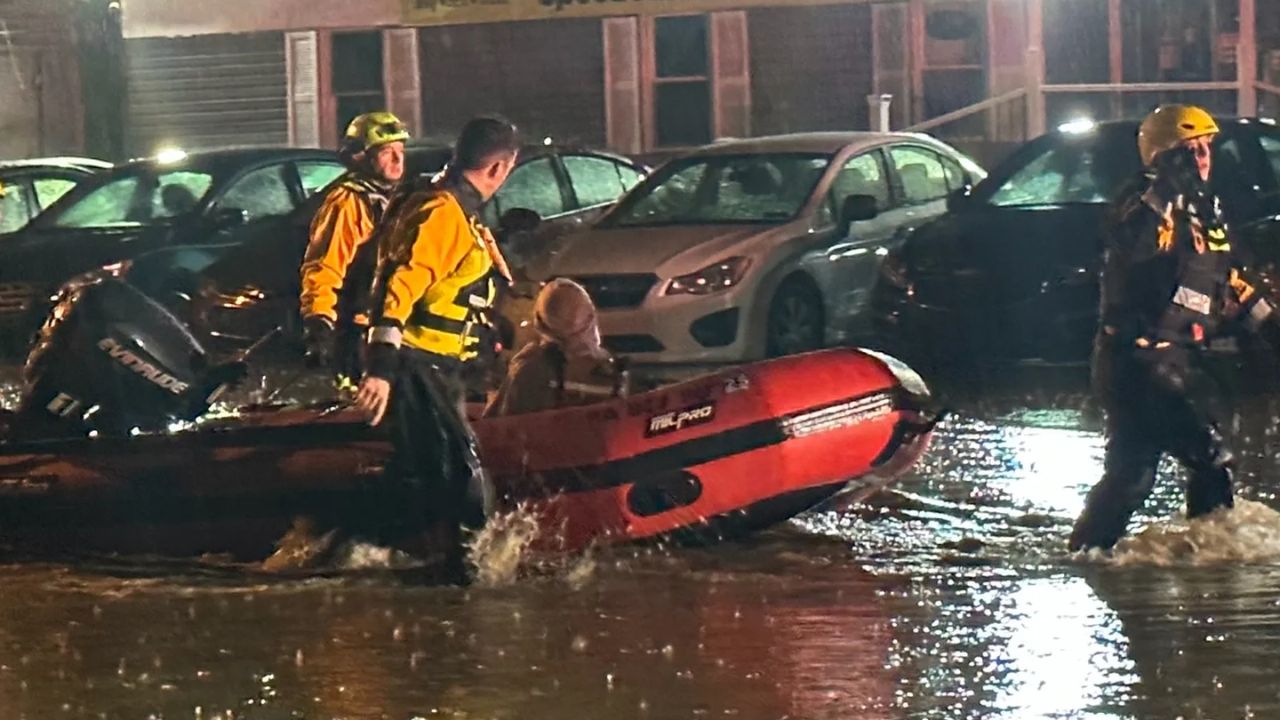
A dangerous flash flood emergency gripped parts of southern Colorado on Tuesday evening after relentless rain triggered fast-moving debris flows near the Aspen Acres burn scar, prompting officials to warn that lives were at immediate risk.
The emergency covers the San Isabel and North Creek areas near Beulah, where authorities say the ground, stripped bare by wildfire, can no longer absorb the intense downpour. The National Weather Service described the situation as particularly dangerous, urging anyone in the affected zone to move to higher ground without delay.
The Beulah Fire Protection and Ambulance District echoed that warning in a public safety alert, telling residents to reach elevated ground immediately and to never attempt driving through floodwaters, which can conceal washed-out roads and sweep vehicles away in seconds.
In neighboring Fremont County, the sheriff’s office reported several roads had become impassable and advised drivers to steer clear of the region entirely until conditions improve. Meteorologists also expanded a separate flash flood warning to cover parts of east-central Custer County and west-central Pueblo County.
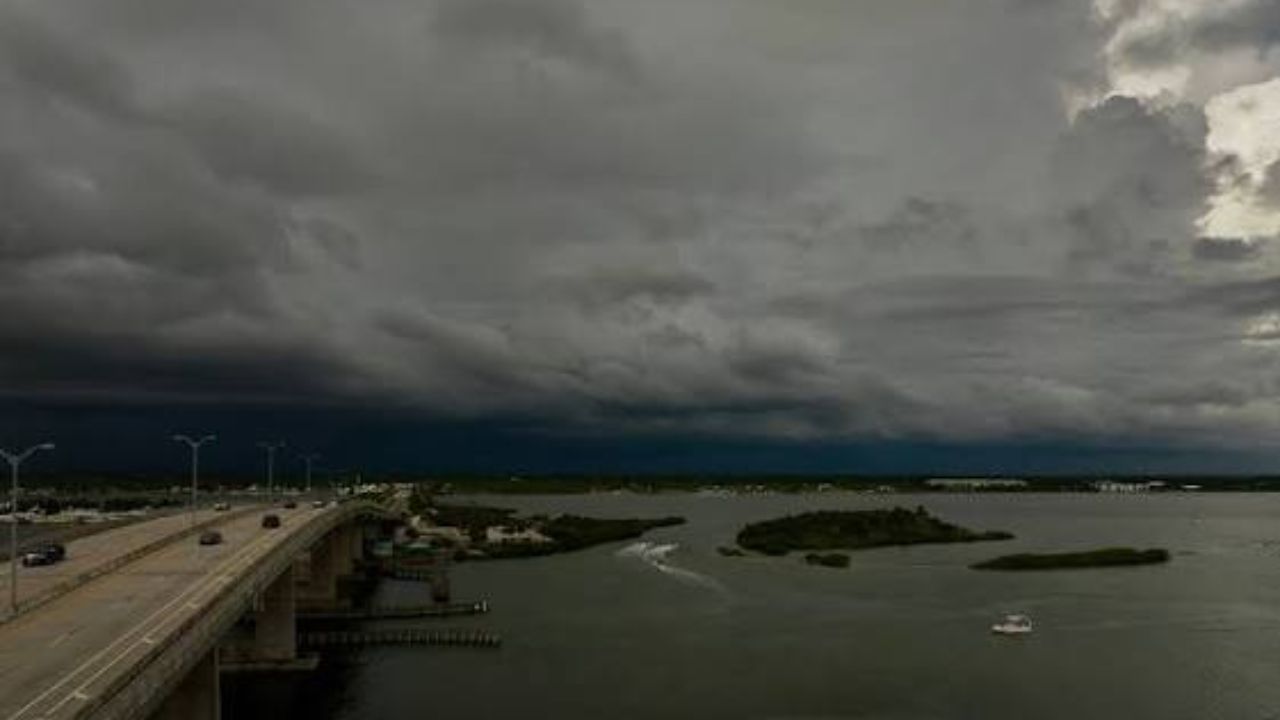
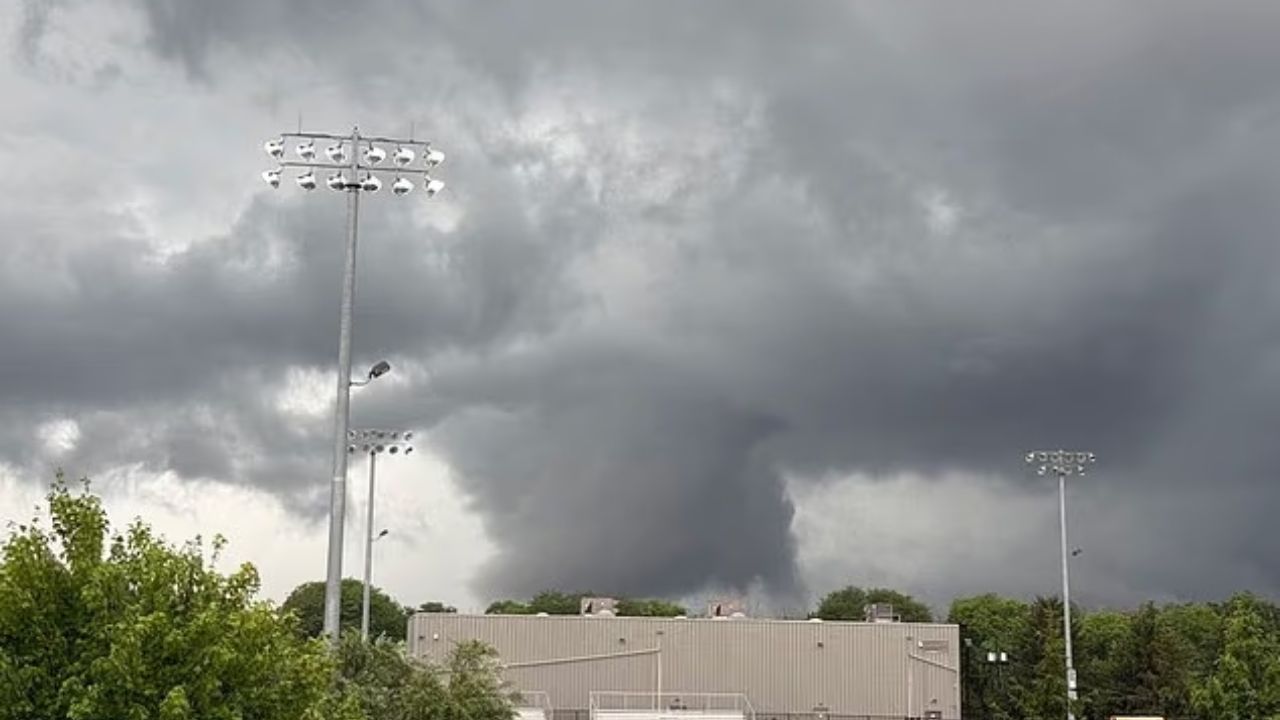
By Tuesday night, storm totals across the area ranged between one and three inches of rain, with additional bursts of half an inch or more still expected. Forecasters cautioned that rainfall intensity could climb as high as three-quarters of an inch per hour, further increasing flood risk.
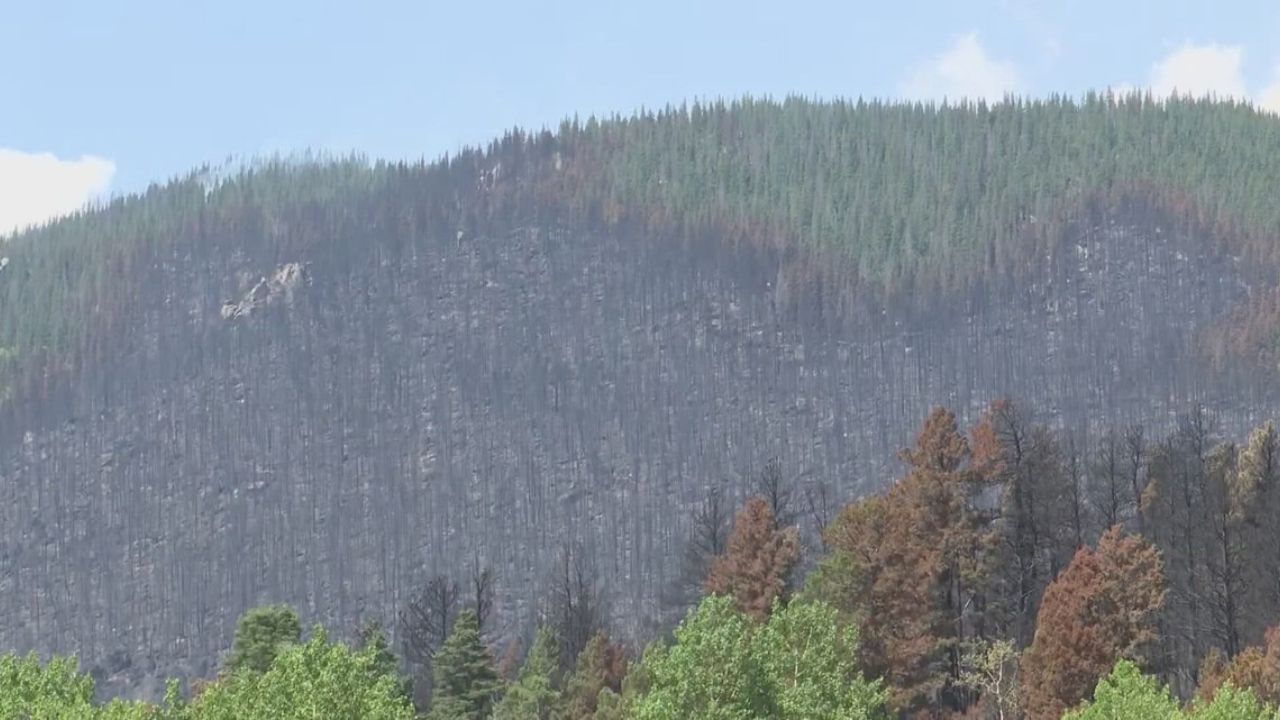
The threat stems largely from the Aspen Acres wildfire, which has scorched more than 100,000 acres since late June and is currently 66 percent contained. Burned landscapes are especially prone to sudden, violent debris flows because scorched soil loses its ability to hold water.
According to federal geological researchers, these debris flows are essentially fast-traveling landslides — a mix of mud, rock and water capable of moving faster than 35 miles per hour. They can strike with almost no warning, uprooting trees, hauling boulders, and even dragging vehicles downstream, making them one of the deadliest secondary hazards linked to wildfire-damaged terrain.